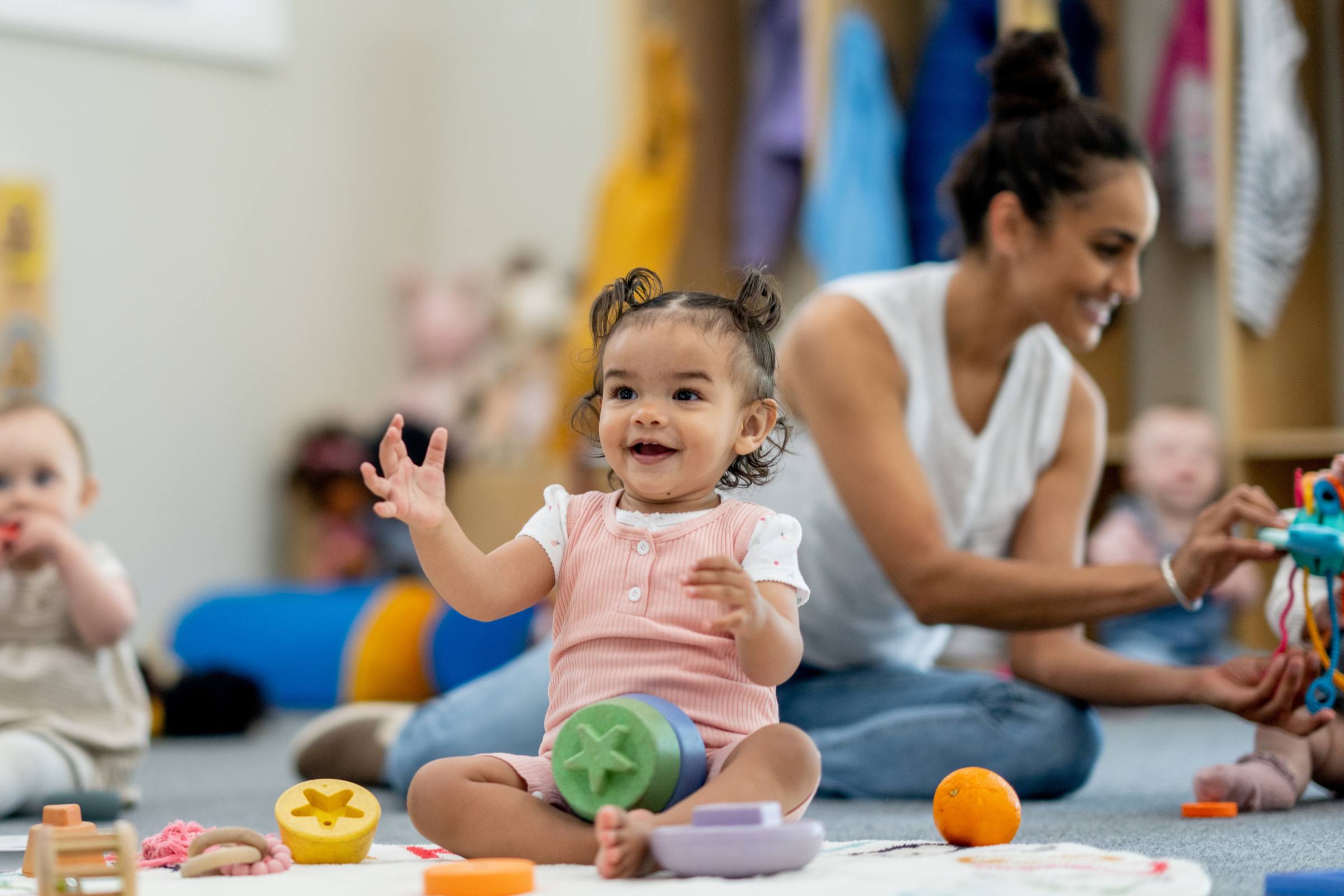
One of the most valuable benefits of daycare extends beyond academics and childcare. Quality daycare…
How Daycare Supports Infant Development
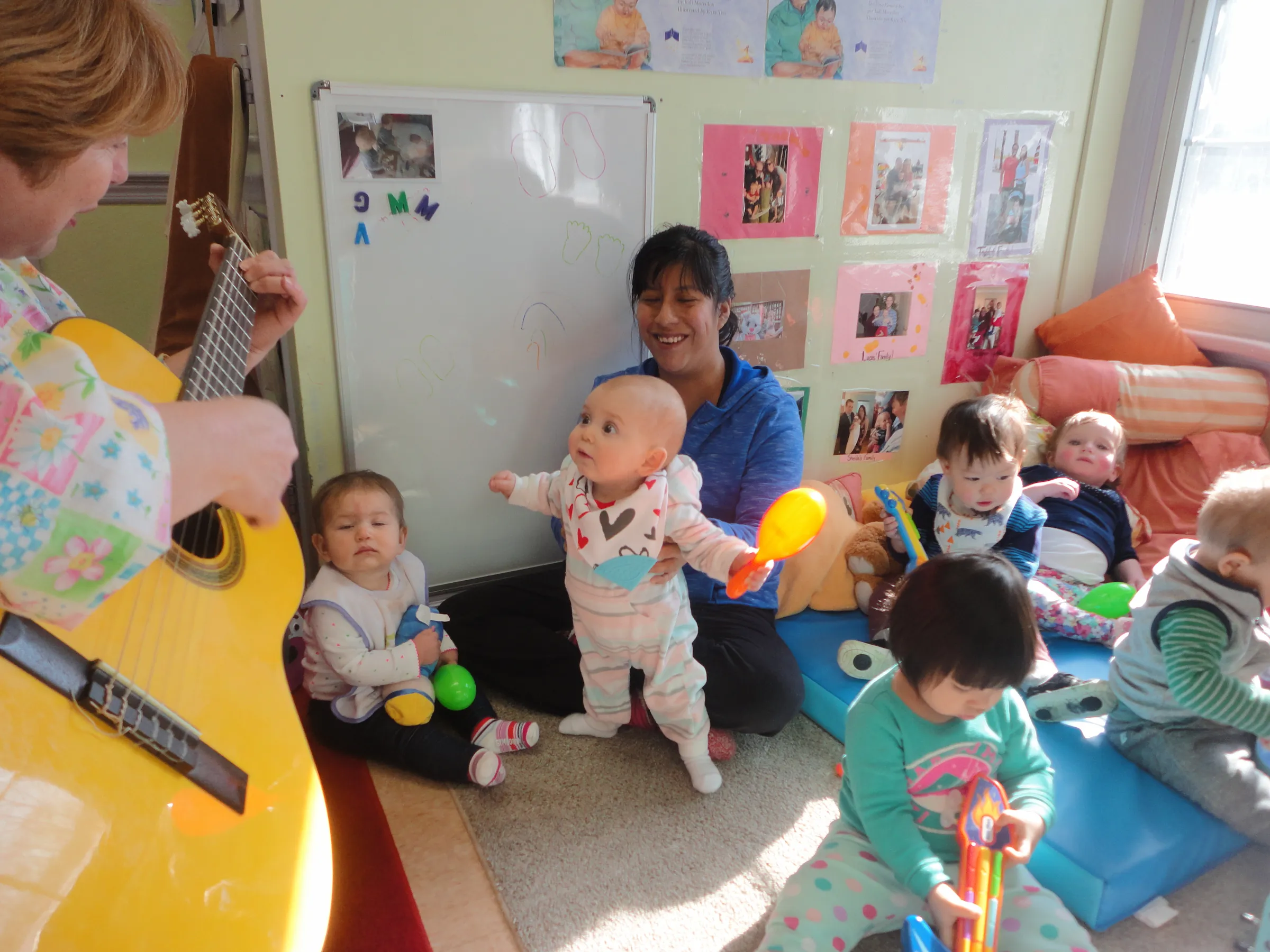
The first year of life is one of our most important periods of growth and development. During this time, babies form foundational skills that influence how they learn, communicate, and interact with the world at large. For many families, enrolling in an infant daycare program is one of the earliest major decisions they make.
And we understand that letting your child get “out in the world” at such a young age can be daunting. So, understanding how a high-quality daycare environment actually supports infant development can help parents feel confident in this choice. At Santa Fe Centers, we recognize that infant care is about more than supervision. It is about creating a responsive, safe, and enriching environment that supports cognitive, emotional, social, and physical growth.
The Science of Early Development
During the first year of life, a baby’s brain forms millions of neural connections every second. These connections are shaped by experiences, interactions, and the environment they grow up in. According to the CDC’s Developmental Milestones checklist, early experiences directly influence the brain’s architecture and long-term learning outcomes, meaning that this early development may set a precedent for the way your child takes in information forever.
Consistent, responsive caregiving is essential during this period. When caregivers respond to a baby’s cues, make eye contact, speak gently, and provide nurturing touch, they help build secure attachments for the child. We believe in a prominent link between secure attachment and healthy emotional development.
A structured infant daycare program provides daily opportunities for these positive interactions in a consistent setting. If you are exploring options for infant daycare in New Providence, we believe that understanding this developmental window is essential.
Emotional and Social Development
One of the most significant ways daycare supports infants is through emotional security and early social exposure. How?
Building Secure Attachments
In a high-quality infant program, caregivers are attentive and responsive. They learn each baby’s cues, preferences, and rhythms. This consistency helps infants feel safe and feel understood, even if they can’t verbalize it.
When babies feel secure, they are more willing to explore their surroundings, which supports cognitive development and independence.
Early Social Interaction
Even at a young age, infants benefit from being around other children. Watching peers move, babble, and explore helps stimulate curiosity and awareness. We emphasize these early social interactions that contribute to emotional regulation and long-term relationship skills.
These early experiences lay the groundwork for later cooperation, empathy, and communication with others.
Cognitive Development Through Exploration
Infants learn primarily through sensory exploration. A thoughtfully designed daycare environment offers safe opportunities for discovery.
Sensory Stimulation
High-quality infant programs provide age-appropriate materials that engage the senses. Soft textures, contrasting colors, gentle sounds, and varied shapes all stimulate neural development. For an infant, almost everything is new, so safety and variety should be top priority.
When infants reach, grasp, and manipulate objects, they strengthen both cognitive pathways and their fine motor skills.
Language Exposure
Language development begins long before a child says their first word. Caregivers who narrate activities, sing songs, and engage in back-and-forth “conversation” with infants help build vocabulary and comprehension skills.
In a daycare setting, infants are exposed to consistent language throughout the day, increasing opportunities for auditory learning.
Physical and Motor Skill Development
Movement is essential in the first year of life. Structured daycare environments provide safe spaces for babies to practice new skills.
“Tummy Time” and Crawling
Supervised floor time supports neck strength, core stability, and coordination. As babies begin rolling, crawling, and eventually pulling to stand, they gain confidence and physical independence.
Fine Motor Skills
Simple activities such as reaching for toys, grasping rattles, or transferring objects between hands support hand-eye coordination and muscle development.
Infant classrooms are intentionally arranged to encourage safe movement and accessible exploration as part of our broader early childhood programs.
Routine and Predictability
Infants thrive in environments where routines are consistent but responsive. Predictable schedules help babies feel secure and regulate sleep and activity patterns. Kind of relatable, isn’t it?
In a daycare setting, caregivers follow each infant’s individual needs while maintaining a structured flow to the day. This balance helps children transition smoothly between activities and rest.
As children grow into our toddler program and later pre-K program, these early routines support smoother developmental transitions.
Supporting Working Parents
Daycare also supports families by providing reliable, professional care during critical developmental stages.
Parents benefit from:
- Daily communication about feeding, naps, and milestones
- Professional observation of developmental progress
- Guidance from experienced early childhood caregivers
This partnership between caregivers and parents ensures that developmental support continues both at daycare and at home. If you would like to learn more about our approach, visit our About page!
The Long-Term Impact of Early Care
Research consistently shows that high-quality early childhood environments contribute to stronger school readiness, emotional resilience, and social skills later in life. While no environment replaces the role of family, a supportive daycare program can reinforce positive developmental foundations that you put in place.
At Santa Fe Centers, our infant program is designed to nurture the child in all aspects of early development. Through responsive caregiving, safe exploration, and consistent routines, we create an environment where babies feel secure and supported as they grow.If you would like to learn more about our infant daycare program in New Providence, we invite you to reach out!
Related Posts